Jan.01,1970
Compartir:
The construction of Custom Sports Venues has become a burgeoning sector within the sports industry, highlighting the demand for tailored facilities that cater to specific athletic needs. With a market projected to reach USD 26.49 billion by 2025, understanding the certifications and standards that govern these constructions is crucial for stakeholders, including developers, architects, and athletes. Pain points often emerge from inadequate compliance with these standards, leading to safety hazards and costly renovations. This guide dives into the necessary certifications when building a custom sports venue, addressing pressing concerns and ensuring optimal facility functionality.
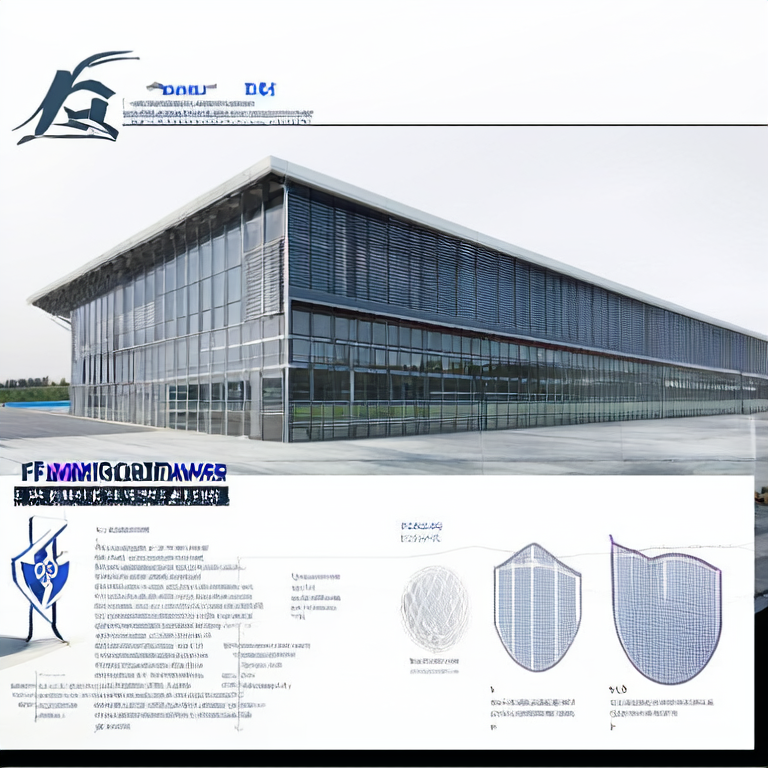
Certifications refer to the formal recognition that a venue meets specific industry standards and regulations, while standards are established criteria and guidelines that govern construction practices. Essential terms in the field include:
ASTM International: A global organization that develops and publishes technical standards for a wide range of materials, products, systems, and services. For sports venues, ASTM standards ensure the safety and performance of playing surfaces.
LEED (Leadership in Energy and Environmental Design): A popular green building certification program that recognizes best-in-class building strategies and practices. Venues that achieve LEED certification not only demonstrate energy efficiency but also commitment to environmental sustainability.
International Building Code (IBC): A set of regulations that governs structural design and safety protocols in construction projects, ensuring safe and habitable indoor environments.
Understanding these definitions helps stakeholders identify the necessary requirements essential for compliance and safety in custom sports venue construction.
Custom sports venues find applications across various fields, including:
Professional Sports: Stadiums and arenas tailored for specific sports teams often undergo strict compliance checks and receive various certifications, ensuring the safety of thousands of fans.
Community Sports Facilities: Local governments and organizations build venues designed to accommodate youth and recreational sports, emphasizing accessibility and safety.
School Athletic Facilities: Educational institutions invest in custom venues that not only promote sports but also comply with building codes applicable to public education infrastructure.
Fitness Centers: Gyms are increasingly integrating specialized spaces for activities like yoga, martial arts, and indoor sports, necessitating adherence to applicable standards.
Custom sports venues are integral to enhancing athletic performance, promoting community engagement, and providing safe environments for diverse sports activities.
The importance of adhering to certifications and standards when constructing custom sports venues cannot be overstated:
Safety and Compliance: Following recognized standards minimizes the risk of injuries during sporting events. For instance, the National Institute for Occupational Safety and Health (NIOSH) reported that adherence to safety guidelines reduces injury rates by over 25%.
Improved User Experience: Venues that meet high standards often enhance user satisfaction—statistics show that well-designed sports facilities can increase attendance by up to 42%.
Sustainability and Cost Efficiency: Meeting LEED standards can lead to energy savings of approximately 30% over traditional building practices, making the venue more environmentally friendly and cost-effective in the long run.
Enhanced Reputation: Facilities that are certified and compliant with industry standards often gain favor among athletes and organizations, enhancing the reputation of the venue and attracting higher-profile events.
For facility developers and managers looking to delve deeper into the complexities of building custom sports venues, it's advisable to consult with regulatory bodies, obtain required certifications, and engage with professionals who have experience in sports venue development. The user guide on specific building codes and recommended standards is available on our website.
What is the importance of certifications in sports venue construction? Certifications ensure that the venue meets the required safety, performance, and environmental standards, protecting users and stakeholders alike.
How does LEED certification benefit a sports venue? LEED certification promotes environmental sustainability and efficiency, potentially leading to significant operational cost savings and a reduced carbon footprint.
What are the consequences of not adhering to industry standards? Non-compliance can lead to safety hazards, legal issues, and financial setbacks, including costly renovations or liability lawsuits.
Can I customize a sports venue for a niche sport? Yes, many venues can be designed to accommodate niche sports while still adhering to relevant safety and performance standards.
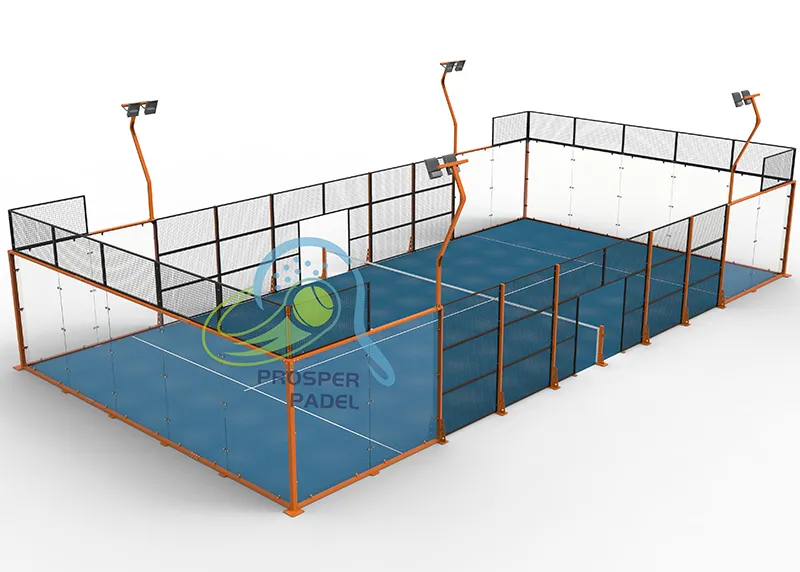
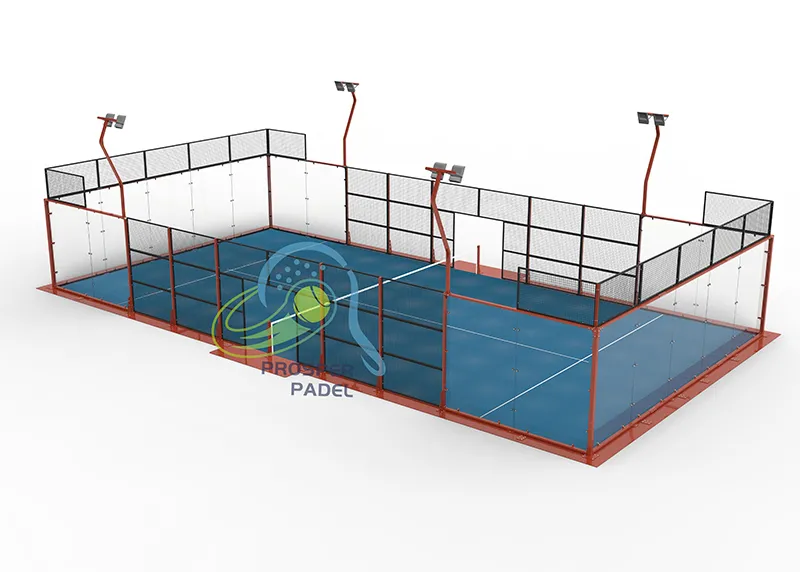
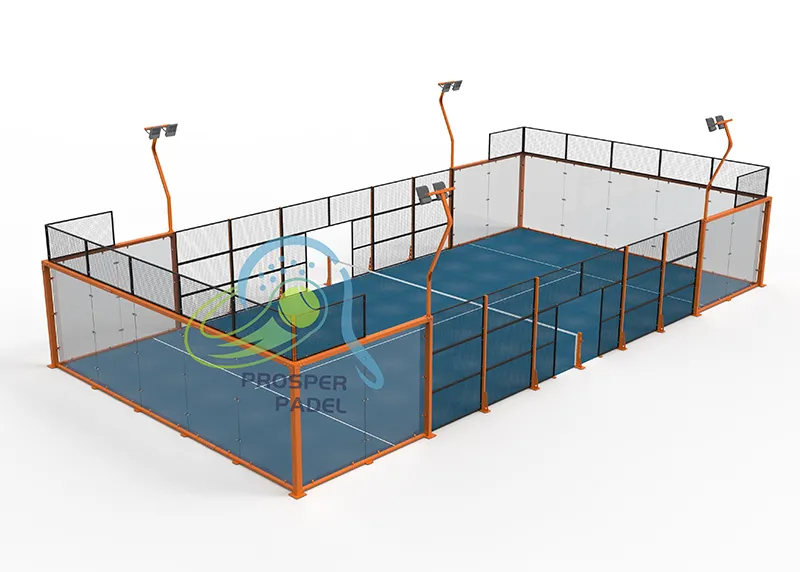
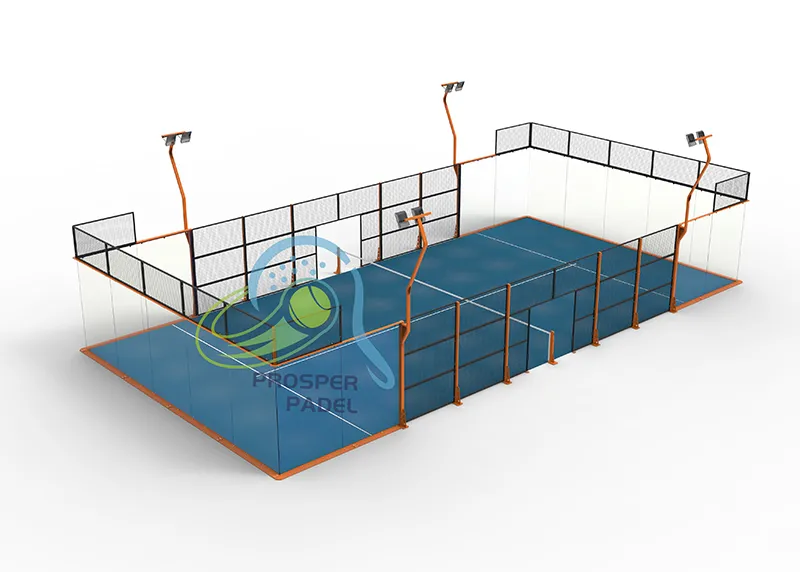
For those interested in exploring custom sports venues further, including the innovative designs from Prosper Padel, consider requesting a consultation or trial to see how these facilities can meet your specific athletic needs.
Haga clic para obtener su plan exclusivo
Tianjin Juzhixin Sports Technology Co., Ltd es una innovadora tecnología deportiva y una empresa de ventas de importación y exportación con sede en Tianjin y que irradia su negocio en todo el mundo. Se dedica a potenciar el desarrollo de la industria del deporte con tecnología
Contáctanos
Productos más populares
+86 189 2070 7687
Edificio Huamao, nueva área de Binhai, Tianjin
Copyright @ Tianjin Juzhixin Sports Technology Co., Ltd Todos los derechos reservados | Mapa del sitio
| Impulsado por